Grinding in Metal Fabrication – Precision, Quality, and Perfect Surfaces
In modern metal fabrication, it is not only the design that determines the quality of a component. Surface finishing is just as important. One of the key steps in this process is grinding. It not only ensures a high-quality finish but also has a significant impact on the functionality, safety, and durability of metal structures.
Whether it’s steel, stainless steel, or aluminum—virtually every metal component is ground during the manufacturing process. Surface quality plays a crucial role, especially in visible structures such as railings, stairs, balconies, gate systems, or custom metal components. Uneven surfaces, weld residue, or sharp edges not only look unprofessional but can also cause technical problems over time.
Why Grinding Is So Important in Metal Fabrication
In metal fabrication, grinding serves several important purposes at once. On the one hand, it improves the appearance of the surface; on the other hand, it prepares the material for further processing steps. Welding often results in seams, discoloration, or minor irregularities. These are removed through targeted grinding.
Precise surface finishing is crucial, especially when it comes to stainless steel. The appeal of stainless steel lies in its uniform, high-quality appearance. Even minor imperfections in the finish become clearly noticeable later on—especially under direct lighting or on large visible surfaces.
In addition, grinding improves safety. Sharp edges and burrs are removed, thereby reducing the risk of injury. At the same time, a cleanly finished surface enhances the quality of coatings such as paint or powder coatings, as these adhere much better to properly prepared surfaces.
Different grinding methods for different requirements
In metal fabrication, there is no single grinding process. Different methods are used depending on the material, application, and desired end result.
Coarse grinding is used, for example, to remove weld beads or level out uneven surfaces. This is followed by finer grinding passes to create a uniform surface. Especially in visible areas, multiple grinding steps are necessary to ensure a clean and professional finish.
When working with stainless steel, special abrasive pads or specific grit sizes are often used to achieve a uniform finish. Depending on the customer's preferences, surfaces can be finished to a matte, brushed, or nearly mirror-like finish.
Aluminum also poses special challenges. The material is more sensitive to pressure and temperature. In this case, experience and the right tools are crucial to preventing discoloration or damage.
The surface is a component's calling card
Many people subconsciously notice the surface of a product or component right away. Clean transitions, uniform finishes, and precisely machined edges convey quality, precision, and professionalism.
In high-quality metal fabrication in particular, surface finishing often makes the difference between “functional” and “high-quality.” A perfectly polished railing, a cleanly finished steel structure, or a high-quality stainless steel component all look significantly more professional and durable.
That’s why good metalwork doesn’t end with welding or assembly. It’s the final finishing touches that ensure a project looks truly complete.
Modern technology meets traditional craftsmanship
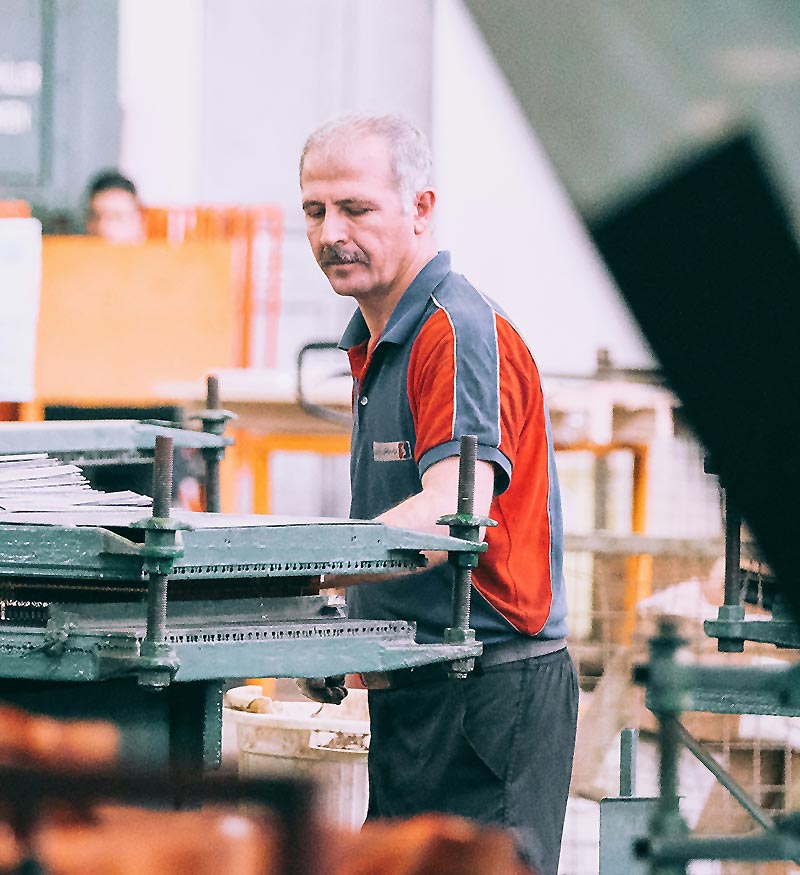
Although modern machinery and high-quality grinding technology are used today, experience remains a crucial factor. Every surface reacts differently. Pressure, speed, abrasives, and material must be precisely coordinated.
Craftsmanship and attention to detail are essential, especially when it comes to custom-made pieces or visible design elements. Minor flaws are often nearly impossible to correct later on. That is why precision is crucial at every stage of the process.
At Zeller Metallpunkt, we place great emphasis on high-quality surface finishing. Our goal is not only technically flawless workmanship, but also a visually appealing final result. After all, high-quality metalwork is often only truly appreciated when you look at the details.
Grinding as the foundation for long-lasting results
Professional finishing also contributes to the longevity of metal structures. Unevenness, residue, or poorly prepared surfaces can lead to corrosion or coating issues over time.
Professional sanding ensures that surfaces are properly prepared and made more durable. This not only improves their appearance but also reduces maintenance requirements and wear and tear.
This is a particularly important factor in outdoor applications. Railings, balconies, facade elements, and steel structures are constantly exposed to the elements. Proper surface preparation helps ensure that protective coatings function reliably over the long term.
Conclusion
Grinding is one of the most important steps in metal fabrication. It has a significant impact on the appearance, safety, durability, and further processing of metal components. High-quality surfaces are not achieved by chance, but through experience, precision, and meticulous craftsmanship.
Zeller Metallpunkt is synonymous with professional metalworking and an eye for detail. From design to the final surface finish, we prioritize quality, precision, and long-lasting results.